Investing in commercial property can be an exciting venture, offering lucrative opportunities for those willing to take the plunge into the world of real estate. Whether you're looking to diversify your investment portfolio, generate passive income, or start a new business venture, purchasing commercial property can be a rewarding endeavor.
However, for beginners, the process can seem daunting and complex. From understanding market dynamics to navigating legal intricacies, there's much to consider before diving in. In this guide, we'll walk you through the essential steps to help you kickstart your journey into buying commercial property.
Define Your Objectives
Before you start scouring the market for commercial properties, it's crucial to define your objectives clearly. Are you looking for long-term rental income, capital appreciation, or both? Do you have a specific location or type of property in mind? Understanding your investment goals will guide your decision-making and help you narrow your options.
Conduct Thorough Market Research
Once you've established your objectives, the next step is to conduct comprehensive market research. Familiarize yourself with the local real estate market, including vacancy rates, rental trends, and property values. Identify emerging neighborhoods or commercial districts with potential for growth. Analyze comparable sales data to get a sense of property prices and market trends. The more informed you are about the market dynamics, the better equipped you'll be to make sound investment decisions.
Determine Your Budget
Before you start shopping for commercial properties, it's essential to determine your budget and financing options. Evaluate your financial resources, including savings, investment capital, and borrowing capacity. Consider consulting with a financial advisor or mortgage broker to explore financing options such as traditional mortgages, commercial loans, or partnerships. Having a clear understanding of your budget will help you narrow down your property search and avoid overextending yourself financially.
Engage with Real Estate Professionals
Navigating the complexities of commercial real estate transactions can be challenging, especially for beginners. Consider enlisting the help of experienced real estate professionals to guide you through the process. Hire a reputable real estate agent or broker specializing in commercial properties — a professional who understands the local market dynamics. Also, consult with legal advisors, accountants, and property inspectors to ensure you make informed decisions and mitigate risks throughout the transaction.
Identify Suitable Properties
Once you've assembled your team of real estate professionals, it's time to start searching for suitable properties. Work closely with your real estate agent to identify listings that align with your investment objectives and budget. Consider location, property type, size, condition, and zoning regulations. Conduct site visits and due diligence to assess the property's physical condition, potential for renovation or redevelopment, and compliance with local laws. Don't hesitate to ask questions and seek clarification on any aspects of the property that are unclear.
Perform Due Diligence
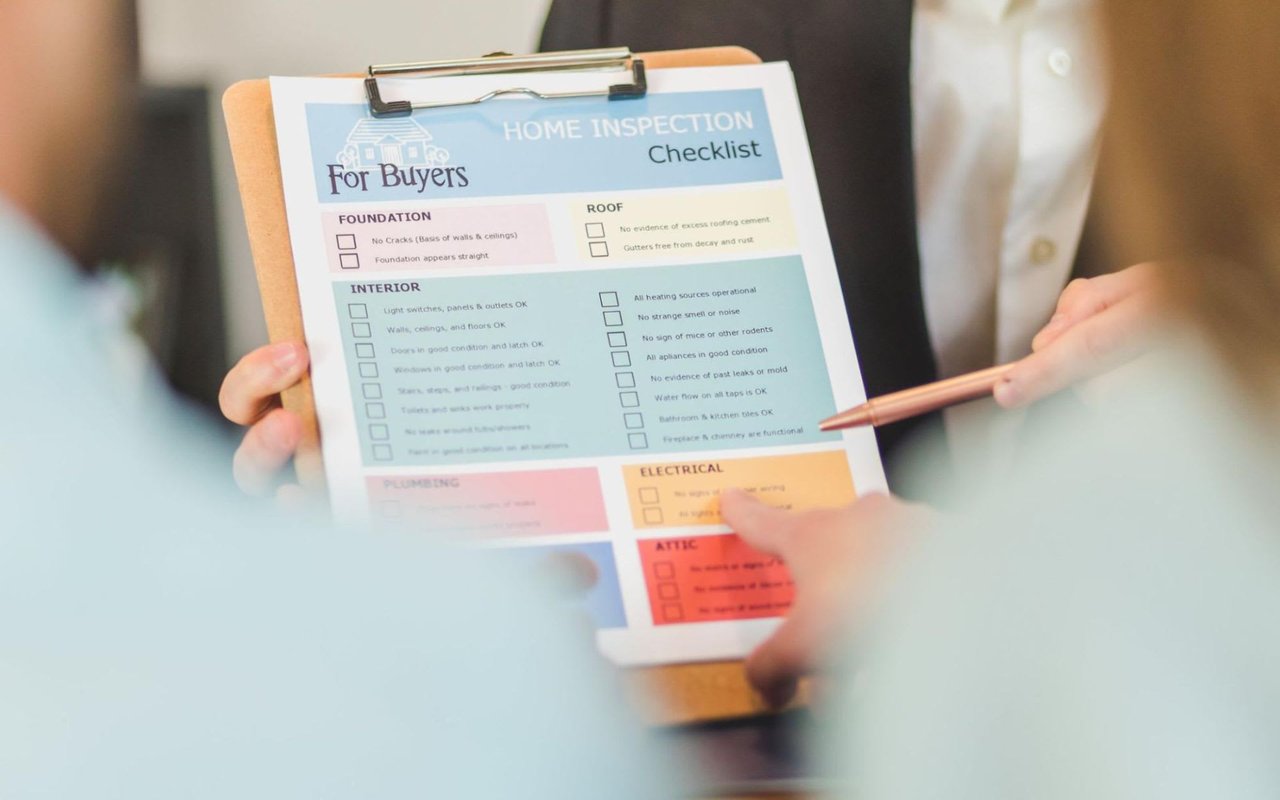
Before making an offer on a commercial property, thorough due diligence can uncover potential issues or risks. Review financial documents, including income statements, expense reports, and leases, to assess the property's revenue-generating potential and operating expenses. Evaluate the property's title history, environmental reports, zoning restrictions, and any outstanding liens or legal disputes. Engage professionals such as property inspectors, appraisers, and environmental consultants to identify any hidden liabilities or structural deficiencies. Due diligence is critical for making an informed investment decision and minimizing unforeseen risks.
Negotiate Terms and Finalize Financing
Once you've completed your due diligence and are satisfied with the property's condition and financial viability, it's time to negotiate the terms of the purchase agreement. Work with your real estate agent and legal advisors to draft an offer that reflects your budget, financing arrangements, and desired terms and conditions. Negotiate with the seller on price, closing timeline, contingencies, and any repairs or concessions that may be warranted based on the inspection findings. Simultaneously, finalize your financing arrangements and secure loan approval from your lender to ensure a smooth closing process.
Close the Deal
After reaching an agreement with the seller and finalizing your financing, it's time to close the deal and take ownership of the commercial property. Coordinate with your real estate agent, legal advisors, and title company to complete the necessary paperwork and arrange to transfer funds. Conduct a final walkthrough of the property to ensure it's in the agreed-upon condition and all contractual obligations have been met. Once all documents are signed and funds have been disbursed, you'll receive the keys to your new investment property.
Manage and Monitor Your Investment
Congratulations! You're now the proud owner of a commercial property. However, the journey doesn't end with the closing of the deal. As a property owner, it's essential to actively manage and monitor your investment to maximize its potential returns. Implement a comprehensive property management plan to oversee day-to-day operations, including tenant relations, maintenance, and rent collection. Stay abreast of market trends and economic developments impacting property values and rental rates. Regularly review your investment performance and adjust your strategy to optimize returns and achieve your long-term financial goals.
Secure the expert services of Piere Michel
Buying commercial property can be a rewarding investment opportunity for beginners willing to do their due diligence and navigate the complexities of the real estate market. By defining your objectives, conducting thorough market research, securing financing, engaging with real estate professionals, performing due diligence, negotiating terms, and actively managing your investment, you can set yourself up for success in commercial real estate. While the process may seem daunting initially, with careful planning and guidance, you can confidently embark on your journey to become a successful commercial property investor.
If you’re ready to sell your home in the Financial District, team up with only the best for outstanding results. Acclaimed New York real estate brokerage Piere Michel will guide you through a streamlined, top-dollar sale. Contact Piere at your earliest convenience to jumpstart your progress toward owning New York commercial real estate.